

15 Terms Everybody Is In The Stationary Bicycle Industry Should Know
The Benefits and Features of Stationary Bicycles
Stationary bicycles, often understood as best exercise bicycle bikes or spinning bikes, have gained substantial popularity as a preferred devices for indoor biking exercises. With the growing focus on fitness and healthy living, Exercise bike maintenance the stationary bicycle is a versatile and reliable solution that caters to numerous audiences– including fitness enthusiasts, newbies, and rehab patients. This short article checks out the myriad benefits of stationary bicycles, crucial features to consider when acquiring one, and some common concerns about their usage.
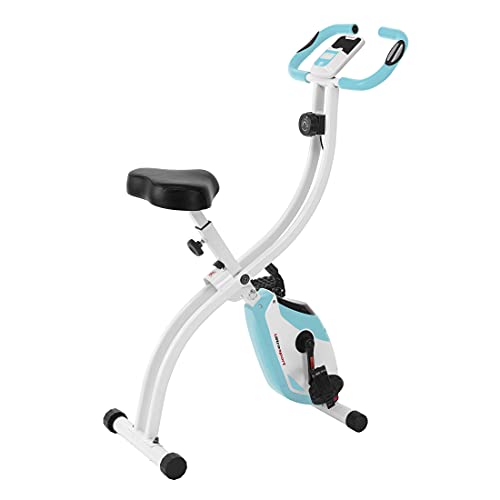
Advantages of Stationary Bicycles
Using a stationary bicycle includes many health and fitness benefits, consisting of:
- Convenient Workouts: Stationary bicycles permit individuals to exercise equipment for legs from the comfort of their homes, eliminating the need for a gym subscription or time-consuming travel.
- Cardiovascular Health: Regular biking is an outstanding method to enhance cardiovascular fitness, contributing to a healthier heart and lungs.
- Low Impact Exercise: Unlike running or running, biking is a low-impact mini exercise bike, making it perfect for people of all ages and fitness levels, consisting of those with joint concerns or injuries.
- Weight Management: Regular exercises can assist in burning calories, making it much easier to manage weight and improve body composition.
- Muscle Strengthening: Stationary bicycles primarily work the muscles in the legs, consisting of quadriceps, hamstrings, and calves. They can likewise engage the core muscles to a certain level.
- Versatility of Workouts: Users can adjust the intensity of their workouts by changing resistance levels, making it easy to cater exercises to personal fitness goals.
Key Features to Consider When Purchasing a Stationary Bicycle
When looking for a stationary bicycle, several features must be considered to ensure it suits your needs and preferences:
| Feature | Description |
|---|---|
| Kind of Bike | Choose between upright bicycles, recumbent bicycles, or spin bikes based on comfort and usage. |
| Adjustability | Look for adjustable seats and handlebars that fit your body size for optimum comfort. |
| Resistance Levels | Different bikes offer different resistance alternatives; guarantee yours can accommodate your fitness level as you advance. |
| Display Monitor | A bike with a clear display can track your time, speed, distance, and calories burned, enhancing your workout. |
| Connectivity | Some contemporary stationary bicycles included Bluetooth connectivity and integration with fitness apps, making tracking your progress easier. |
| Stability and Build Quality | Ensure the bike has a sturdy frame and non-slip pedals for safe workouts, even during high-intensity sessions. |
| Noise Levels | Sound can be a concern. Search for bikes that run silently, particularly if used in shared living spaces. |
The Popularity of Stationary Bicycles
The COVID-19 pandemic has substantially sped up the trend of home fitness, leading to a rise in the purchase of stationary bicycles. With many health clubs closed or restricted in capacity, more people turned to home workouts, and stationary bicycles emerged as an available service. Additionally, the rise of virtual spin classes and fitness apps has changed indoor biking into an appealing and inspiring experience.
Types of Stationary Bicycles
There are mostly 3 kinds of stationary bicycles to think about:
-
Upright Bicycles: These resemble conventional bicycles and engage core muscles. They are suitable for a variety of workouts, including commercial indoor riding classes.
-
Recumbent Bicycles: Featuring a reclined seating position, these bikes offer back support and lower strain on joints. They are an exceptional choice for older grownups or those with back discomfort.
-
Spin Bikes: Designed for high-intensity exercises and imitating roadway cycling, these bikes usually have a much heavier flywheel, permitting for increased resistance and a more smooth biking experience.
Frequently Asked Questions about Stationary Bicycles
Q1: How typically should I use a stationary bicycle for efficient workouts?A1: Generally, it’s suggested to participate in cardiovascular exercise, including cycling, at least 150 minutes a week. This can be broken down into sessions of about 30 minutes, five times a week.
Q2: Can stationary bicycles assist with weight reduction?A2: Yes, stationary bicycles can aid with weight reduction when combined with a well balanced diet plan. A reliable biking session can burn a significant number of calories, helping in producing a calorie deficit.
Q3: What resistance setting should I use when biking?A3: It depends on your fitness level and objectives. Novices ought to begin with low resistance to establish endurance, while advanced users can increase resistance for a more tough exercise.
Q4: Do I require an unique bike for spin classes?A4: While some stationary bikes are specifically designed for spin classes, you can utilize other types as long as they include an excellent training program and a comfy trip.
Q5: How can I guarantee appropriate posture while riding?A5: Adjust your seat height so that your knees are slightly bent at the bottom of the Pedal Exerciser stroke. Keep your back straight and unwinded while avoiding extreme leaning.
The stationary bicycle is an effective fitness tool that supplies a range of benefits– from cardiovascular improvement to muscle fortifying– all within the convenience of one’s home. With different kinds of bikes available and includes to improve the user experience, individuals can easily find a design that fits their particular needs. As fitness continues to trend upwards in significance, the stationary bicycle remains a traditional option for all fitness levels.
By understanding the benefits, functions, and functional elements of stationary bicycles, consumers can make informed decisions that will cause healthier lifestyles. Including cycling into a regular fitness routine could be the stepping stone lots of need to accomplish their health and wellness objectives.