

Five Killer Quora Answers To Victorian Era Conservatory Design
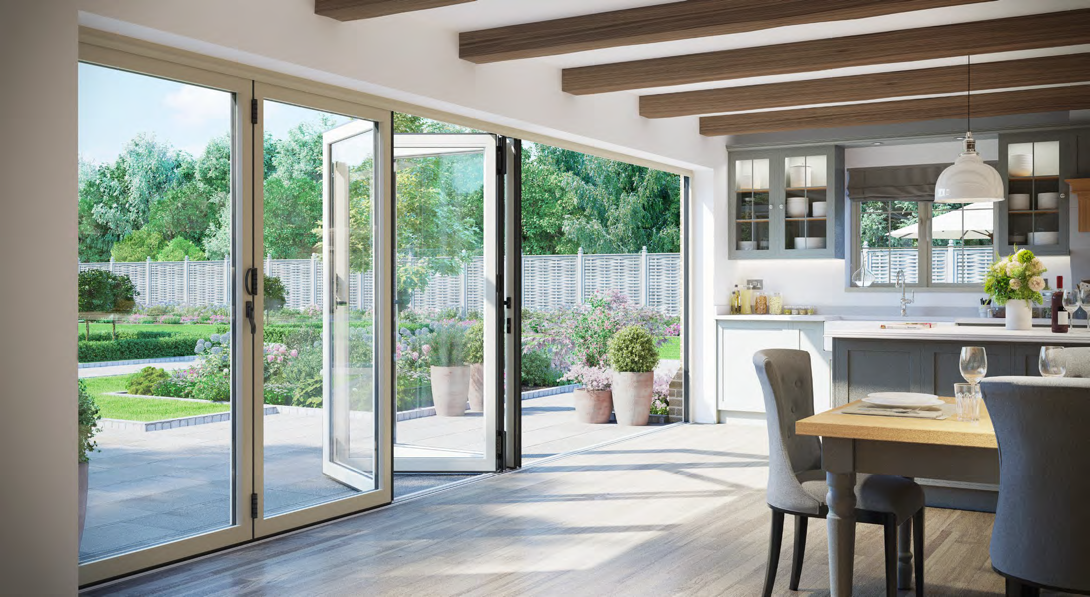
Victorian Era Conservatory Design: A Glimpse into the Past
The Victorian era, spanning from 1837 to 1901, was a time of significant social, cultural, and technological modification in England and much of the Western world. Characterized by grand architectural designs and a fascination with nature, the Victorian conservatory emerged as a popular feature of numerous high end homes, mixing components of art, science, and horticulture. Here, we will explore the design, function, and enduring appeal of Victorian Conservatory Builders conservatories, and how they remain appropriate in modern architecture.
The Significance of Victorian Conservatories
Victorian conservatories were more than simply glasshouses; they signified wealth, status, and a gratitude for nature. They served several functions:
- Horticultural Display: For the rich, conservatories were a grand showcase for unique plants, flowers, and fruits, allowing them to flaunt their botanical collections.
- Extend Living Space: These structures acted as extensions to the home, supplying a sunlit location for leisure and social events.
- Scientific Experimentation: The era was marked by an increasing interest in botany and science, and conservatories typically worked as research locations for plant cultivation.
Key Features of Victorian Conservatories
Victorian Era Conservatory Design conservatories are identified by unique architectural functions, which produce a harmonious blend of utility and beauty. Below are some important elements:
| Feature | Description |
|---|---|
| Products | Mainly built from iron and glass, permitting natural light to flood the area. |
| Forming | Commonly rectangular or oval; some featured elaborate geometric designs. |
| Ornamental Elements | Featured ornate ironwork, stained glass, and detailed woodwork, producing a visual appeal. |
| Roofing system Structure | Generally geared up with a pitched roofing system to facilitate water drainage and make the most of sunshine direct exposure. |
| Ventilation | Big, operable windows and skylights to enable airflow and temperature control. |
| Surrounding Landscape | Frequently incorporated with gardens and outdoor patios to create a serene outside space. |
Examples of Conservatory Designs
Victorian Era Greenhouse Installers conservatories varied greatly in size and intricacy, exemplified by a variety of styles that accommodated private tastes and choices:
| Design Type | Description |
|---|---|
| Lean-To Conservatory | Connected to a wall, perfect for smaller spaces while maximizing sunshine. |
| Free-Standing Conservatory | A standalone structure typically located in gardens or backyards, featuring a more sophisticated design. |
| Circular Conservatory | Created in a circular shape, providing 360-degree views of the surrounding landscape. |
| Alpine House | Developed for growing alpine plants, including a tempered glass roofing and stone components for insulation. |
The Architectural Evolution of Conservatories
Gradually, the designs of Victorian conservatories developed based on technological advancements and changing societal needs. The introduction of new glass making procedures permitted larger panes of glass to be produced, which suggested more light might go into. Similarly, cast iron ended up being a popular product, offering strength and resilience.
Table 3: Key Innovations in Conservatory Materials
| Year | Development | Influence On Conservatory Design |
|---|---|---|
| 1830s | Introduction of Plate Glass | Permitted bigger, clearer windows. |
| 1840s | Cast Iron Framework | Enabled more sophisticated structural styles and toughness. |
| 1860s | Prefabricated Glass Panels | Streamlined construction and lowered expenses. |
| 1890s | Discolored Glass Techniques | Included decorative elements and vibrancy. |
Maintenance and Preservation
While Local Victorian Room Extension Builders conservatories are appealing and practical, they also need cautious upkeep to maintain their beauty and functionality. Typical maintenance tasks consist of:
- Cleaning Glass Surfaces: To ensure optimal light penetration, routine cleaning is vital.
- Examining Framework: Periodic look for rust or degradation are essential, especially in iron structures.
- Temperature Regulation: Adequate ventilation must be kept to prevent getting too hot during warm months.
- Plant Care: Regular attention is required for plants within the conservatory to prosper.
FAQs about Victorian Conservatory Design
Q: What is the best location for a Victorian conservatory?
A: Ideally, a conservatory should be placed on the southern or western side of a house to capture maximum sunlight throughout the day.
Q: What plants are appropriate for a Victorian Orangery Installers Near Me conservatory?
A: Varieties such as ferns, tropical plants, orchids, and seasonal flowers flourish in conservatories, particularly those that choose a humid environment.
Q: Can contemporary materials be used in the remediation of a Victorian conservatory?
A: Yes, modern-day materials such as insulated double-glazing, dealt with wood, or aluminum can be utilized to enhance performance while keeping historic visual appeals.
Q: How do you heat a Victorian conservatory in winter?
A: Options include underfloor heating, portable electrical radiators, or reflective blinds that retain heat while allowing natural light in.

Victorian conservatories encapsulate the spirit of their time, mixing architectural skill with an appreciation for nature. As spectacular focal points in gardens and homes, they continue to motivate contemporary design, representing not simply a love for horticulture but also the era’s technological developments. Whether one considers constructing a new conservatory or maintaining an old one, understanding their design and significance can enhance both appreciation and performance in today’s settings.
In exploring their ageless appeal and functionality, we commemorate the Victorian era’s sustaining legacy, motivating contemporary interpretations of a traditional architectural aspect.