

What’s The Job Market For Build Your Own Tool Kit Professionals?
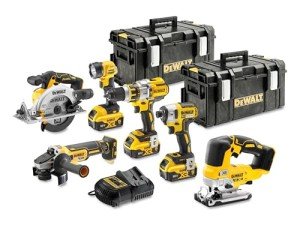
Build Your Own Tool Kit: A Comprehensive Guide
Structure your own tool kit is a vital undertaking for any DIY enthusiast, homeowner, or hobbyist. Having a well-organized and thorough tool kit not only enables you to deal with various projects effectively however also conserves you money and time in the long run. This guide will check out how to build your own tool kit, what tools to consist of, and respond to some often asked questions.
Why Build Your Own Tool Kit?
Developing your own tool kit supplies numerous advantages:
- Personalization: You can tailor your toolkit to fulfill your specific needs and tasks.
- Quality assurance: You can pick the tools based on individual preference for quality and toughness.
- Expense Effectiveness: You can avoid acquiring unnecessary tools and focus on what you require.
- Knowing Experience: Building your own toolkit is an academic experience that boosts your understanding of your tools.
Essential Tools for Your Tool Kit
Developing a tool kit can seem difficult, especially with the range of tools readily available. Below is a classified list of vital tools, from hand tools to Power Tool Set Deals UK tools, to assist you begin:
| Category | Tools | Purpose |
|---|---|---|
| Hand Tools | Screwdrivers (numerous sizes) | Tightening and loosening up screws |
| Hammers (claw and rubber) | Driving and removing nails | |
| Pliers (needle-nose, slip-joint) | Gripping, twisting, and cutting | |
| Wrenches (adjustable and socket) | Tightening or loosening up bolts | |
| Tape Measure | Determining length | |
| Cutting Tools | Energy Knife | Cutting numerous materials |
| Handsaw | Cutting wood | |
| Power Tool Bundles Tools | Cheap Cordless Power Tool Kits Drill | Drilling holes and driving screws |
| Circular Saw | Cutting large sheets of product | |
| Fasteners | Nails, Screws, and Anchors | Securing products |
| Wood Glue | Bonding wood pieces together | |
| Safety Gear | Safety Glasses | Safeguarding eyes |
| Work Gloves | Protecting hands | |
| Ear Protection | Decreasing sound direct exposure | |
| Organizational | Tool Box or Bag | Keeping tools arranged |
| Identifying Supplies | Easy identification of tools |
Developing Your Tool Kit: Step-by-Step
-
Determine Your Needs: Determine what projects you plan to undertake. Different tasks need various tools. For instance, if you’re primarily working with wood, concentrate on wood-cutting tools.
-
Budget Planning: Decide how much you want to spend on your tools. Investing in quality tools is important, as they can last a life time.
-
Purchase Tools Gradually: Start with the most necessary tools and slowly add more customized tools as needed.
-
Organization: Invest in a tough tool kit or organizer. Keep regularly used tools easily accessible while storing others firmly.
-
Upkeep: Regularly tidy and preserve your tools to lengthen their life-span and guarantee they carry out well.
Advantages of Different Tool Types
| Tool Type | Advantages | Downsides |
|---|---|---|
| Hand Tools | No need for electrical Power Tool Combo Sets, portable, exact | Can be labor-intensive |
| Cheap Power Tool Kits Tools | Save effort and time, increase accuracy | Requires electrical power, heavier |
| Cutting Tools | Versatile and reliable for various materials | Requires proper handling and maintenance |
FREQUENTLY ASKED QUESTION: Building Your Own Tool Kit
1. What is the minimum variety of tools I need to begin with?
A fundamental toolkit can begin with simply 5-10 essential hand tools (e.g., a hammer, screwdrivers, pliers, a tape measure, and an utility knife) depending on your requirements.
2. How do I select the right tools?
Consider the kinds of jobs you will carry out. Research the tools used for those tasks and evaluate the quality and brand dependability.
3. Should I purchase new or utilized tools?
Both choices have benefit. New tools frequently come with guarantees, while used tools can be more cost-effective. Ensure used tools remain in excellent condition and functioning well.
4. How should I maintain my tools?
Keep them clean, keep them correctly, and inspect routinely for any needed repairs or replacements. Oiling and sharpening cutting tools will also improve their efficiency.
5. Can I develop a tool kit on a budget plan?
Yes! Look for affordable tools, shop during sales, or consider second-hand choices. Prioritize the most necessary tools first.
Last Thoughts
Structure your own tool kit is not only a useful financial investment but also a rewarding experience that enhances your skills. It allows people to handle jobs with self-confidence and proficiency. By thoroughly picking a combination of hand tools, powered tools, cutting tools, security gear, and organizational supplies, anybody can produce a customized tool kit that fulfills their unique needs.
With a well-rounded tool kit in hand, individuals can open their creativity and see their ideas come to life, task by task. Happy building!